viernes, 24 de marzo de 2017

ELECTRIC CIRCUITS AND ELECTRONICS

AN ELECTRIC CIRCUIT
This is a pathway for the flow of electrons. It consists of the following parts, wich are connected by wires, a generator that provides energy, elements that provide control and protection, loads that receive and use energy.


Resultado de imagen de electric circuit

PARTS OF AN ELECTRIC CIRCUIT
Electric circuits consists of various parts:
1-GENERATORS: batteries and cells
2-LOADS: light bulbs, motors, resistors and bells
3-SWITCHING DEVIDES: switches, push buttons, 3-way switches.    

DIAGRAM AND SYMBOLS


jueves, 16 de marzo de 2017

ENVIRONMENTAL IMPACT


CLIMATE CHANGE

Most of our electricity comes from power stations that use non-renewable energy sources, as a result, it causes an impact in the environment.
Resultado de imagen de air pollution solutionsFor example:
-Air pollution
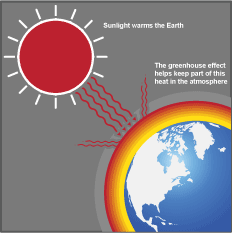
-Greenhouse effect
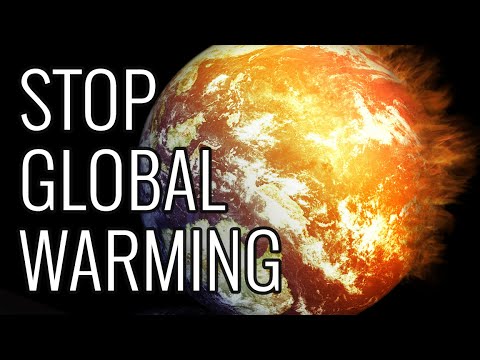
-Global warming
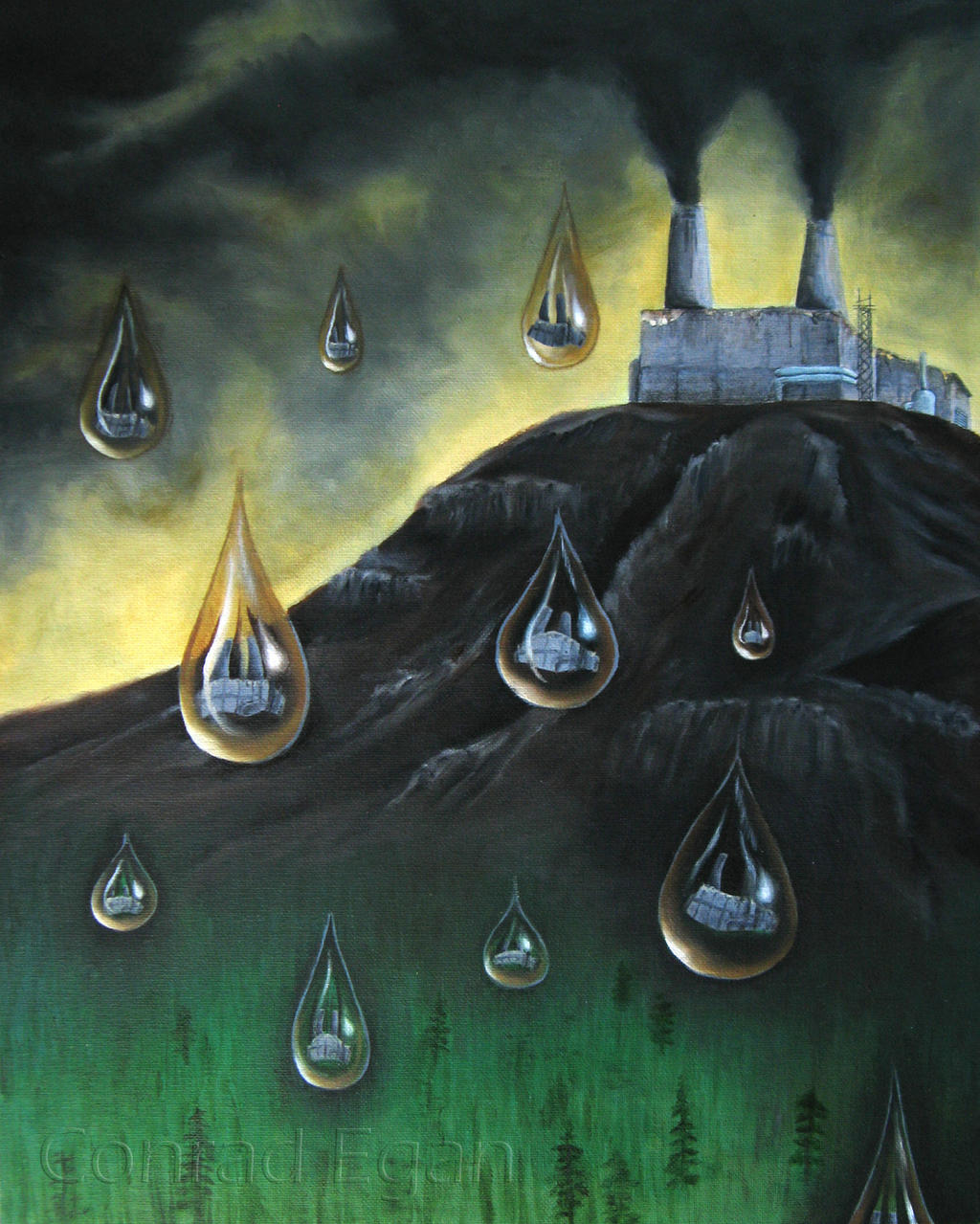
-Acid rain


Resultado de imagen de global warming
Resultado de imagen de greenhouse effect
Resultado de imagen de acid rain


POWER STATIONS THAT USE RENEWABLE ENERGY SOURCES
There are many types of power stations that use renewable sources, such us: wind power, hydroelectric power, solar power, marine power, geothermal power and biomass power.
Some advantages of these types of power stations:
-They are greener than conventional power stations
-They don´t consume limited natural resources
-They reduce our dependence to use fossil fuels


Resultado de imagen de renewable energy resources


WIND FARMS
They are a totally clean source of electricity. Wind farms use the kinetic energy of the wind to produce energy. The wind turns the blades of a turbine, and the blades are connected to a gearbox.


Resultado de imagen de wind farm diagram

HYDROELECTRIC POWER STATIONS
They use the energy of falling water to produce energy. There are two types of hydroelectric stations:

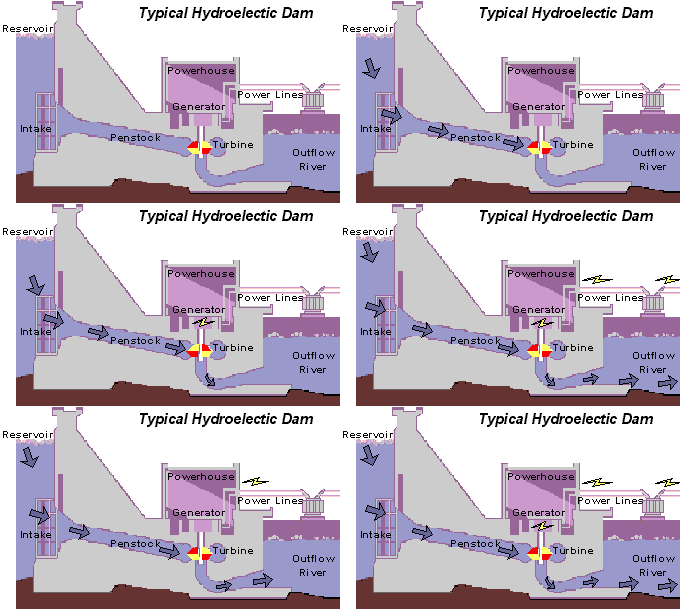
-Conventional hydroelectric stations: here, the water flows from the reservoir to the turbines through a high preasure conduit. Then it flows out, usually into a river.


Resultado de imagen de hydroelectric power plant

-Pumped-storage hydroelectric stations: here, the water flows from the turbines to a second reservoir. Then it is pumped back up to a higher reservoir and stored for later.


Resultado de imagen de pumped storage hydroelectric power plant

SOLAR POWER STATIONS
They use energy from sunlight to generate electricity. There are two types of solar power stations:

Solar thermal stations
They can use sunlight in two ways:
-With solar collectors that absorb sunlight to produce heat
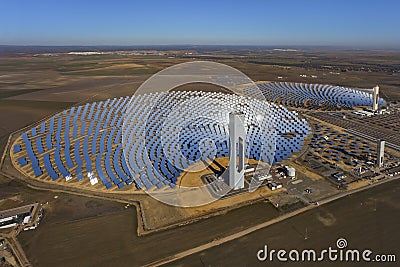
-With mirrors called heliostats, that reflects and concentrate sunlight in one place.


Resultado de imagen de solar thermal power stations


Photovoltaic stations
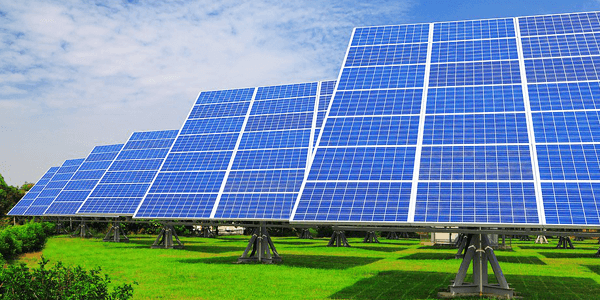
Here, solar panels convert sunlight directly into electricity. Each panels contains many photovoltaic cells.
Resultado de imagen de photovoltaic stations

BIOMASS POWER STATIONS
Biomass is any organic material that is produced by natural processes.
In a biomass power station, the fuel used to produce energy comes from biomass. The steam from burning the biomass moves a turbine connected to a gerenator (alternator)


Resultado de imagen de biomass power plant diagram


MARINE POWER STATIONS
They use the movement of ocean water te generate electricity. They are very expensive and not vere efficient. There are three types of marine power stations:
-Tidal power stations
-Wave power stations
-Ocean thermal conversion stations

Resultado de imagen de the rance tidal power station france


GEOTHERMAL POWER STATIONS
They use heat from the deepest underground layers of our planet. This energy can be used in two ways:
- Directly, to provide hot water for heating and industrial uses.
-Indirectly: to drive generators to produce electricity.

Resultado de imagen de geothermal power plant diagram
ELECTRIC POWER STATIONS THAT USE NON-RENEWABLE ENERGY SOURCES
There are two types: Thermal power stations and nuclear power stations.

THERMAL POWER STATIONS
Thermal power stations use fossil fuels to produce thermal energy. Than the thermal energy is converted to mechanical energy, in order to generate energy.


Resultado de imagen de thermal power stations

Combined-cycle power stations
A combined-cycle station is more efficient than single-cycle stations because it has two systems that produce more energy.
The first system burns natural gas with compressed air, and the gases that it produced, they turn a turbine.
The second system uses the steam from the first system. That steam turns another turbine to produce more electricity.

Resultado de imagen de cycle-combined power stations

NUCLEAR POWER STATIONS
A nuclear power station is a thermal power station that uses a nuclear reactor to produce heat. The reactor uses radioactive material as fuel.

Resultado de imagen de nuclear power stations

ELECTRICAL ENERGY

WHAT IS ELECTRICAL ENERGY?
It is a form of energy that is transported by an electrical current. It is very usually used because:
1-It can be easily transformed in other types of energy.
2-It can be transported over long distances in ways that are cheap and efficient.

Resultado de imagen de ventilador gif


ELECTRIC POWER STATIONS
A power station is a place where energy from natural resources is transformed into energy that we can consume. After the electricity has been generated, it can be transported to locations where energy is needed.


Resultado de imagen de electric power station

How electricity is generated
In electric power stations they use generators to transform energy into electricity. The electric generators used in power stations are called alternators.
An alternator usually has a stationary part, called stator, and a moving part, called a rotor.

THE TRANSPORTATION AND DISTRIBUTION OF ELECTRICITY
Electrical energy must be transported from power stations to the places where it is needed. The transportation of electrical energy includes:
-Raising the voltage: it is to avoid the loss of energy as heat
-High voltage lines: routes for high voltage lines are carefully planned
-Reducing the voltage: (they use substation transformers)
-Final: now, the power is distributed where it´s necessary.

Imagen relacionada

miércoles, 15 de marzo de 2017

ENERGY SOURCES

WHAT ARE ENERGY SOURCES?
They are natural resources that we can use to generate different forms of energy. Then we can transform that energy for various purposes.

Resultado de imagen de energy resources

There are two types of energy sources: renewable and non-renewable.

NON-RENEWABLE ENERGY SOURCES
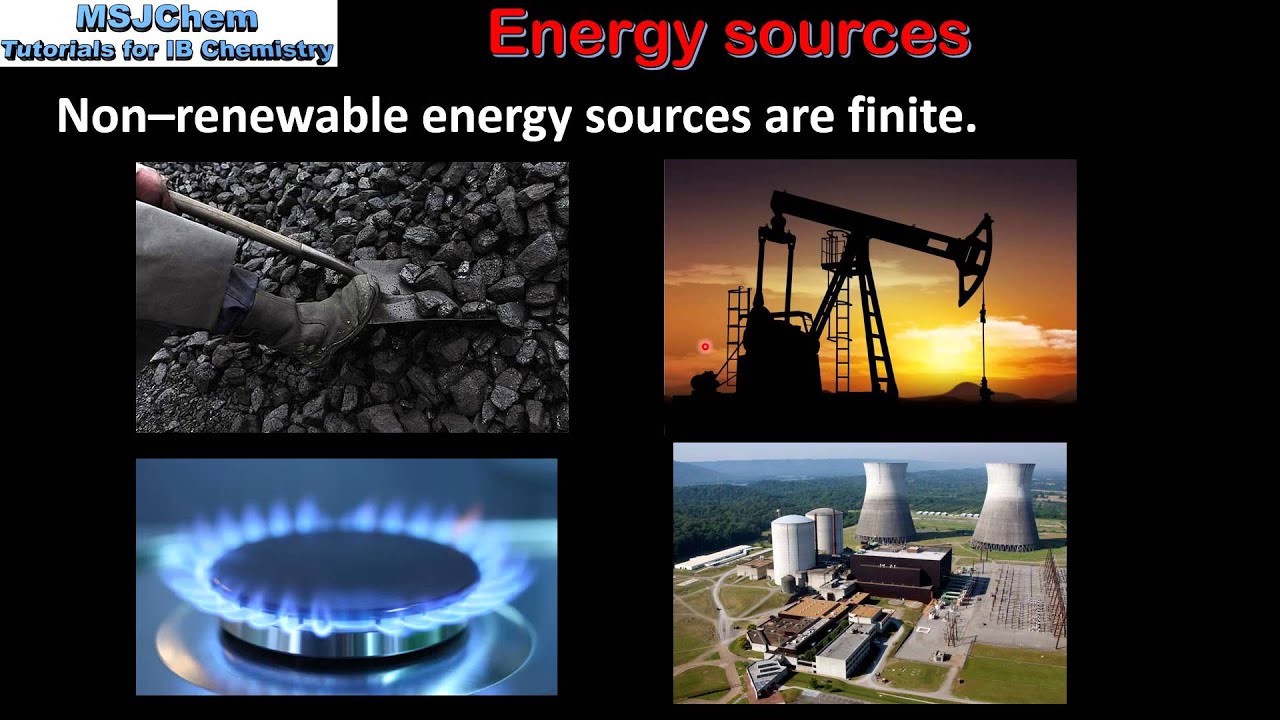
They come from natural resources that are limited. It would take millions of years to generate these sources of energy. The most commonly are fossil fuels (oil,coal and natural gas) and nuclear energy (radioactive materials)

Resultado de imagen de non renewable energy resources

RENEWABLE ENERGY SOURCES
They comme from natural resources that we can´t set up completly. These include hydroelectric, solar, marine, geothermal, and biomass.

Resultado de imagen de renewable energy resources

ENERGY TRANSFORMATIONS
There are various types of energy transformations. We can transform chemical energy into other types of energy: 
1.Luminous energy  3.Sound energy
2.Thermal energy    4.Mechanical energy

Resultado de imagen de bombilla enchufada


We can transform electrical energy into:
1.Kinetic energy
2.Heat

Resultado de imagen de batidora gif

We can transform nuclear energy into:

1.Luminous energy
2.Thermal energy


Imagen relacionada

We can transform luminous energy into electrical energy.
Resultado de imagen de placas solares